'서울대 10개 만들기' 첫 3곳 부산대·전남대·충남대 선정, 지원 규모와 다음 절차 | The first three universities selected for the 'Creating 10 Seoul National Universities' initiative are Pusan National Un
이 글의 핵심
- 교육부는 9월 1일 정부서울청사에서 부산대학교, 전남대학교, 충남대학교를 패키지 지원대학으로 발표했습니다.
- 올해 각 대학에 약 700억원이 지원되며, 2030년까지 5년간 계속될 예정입니다. 추가 선정 여부는 국회 예산 심의에서 논의될 수 있습니다.
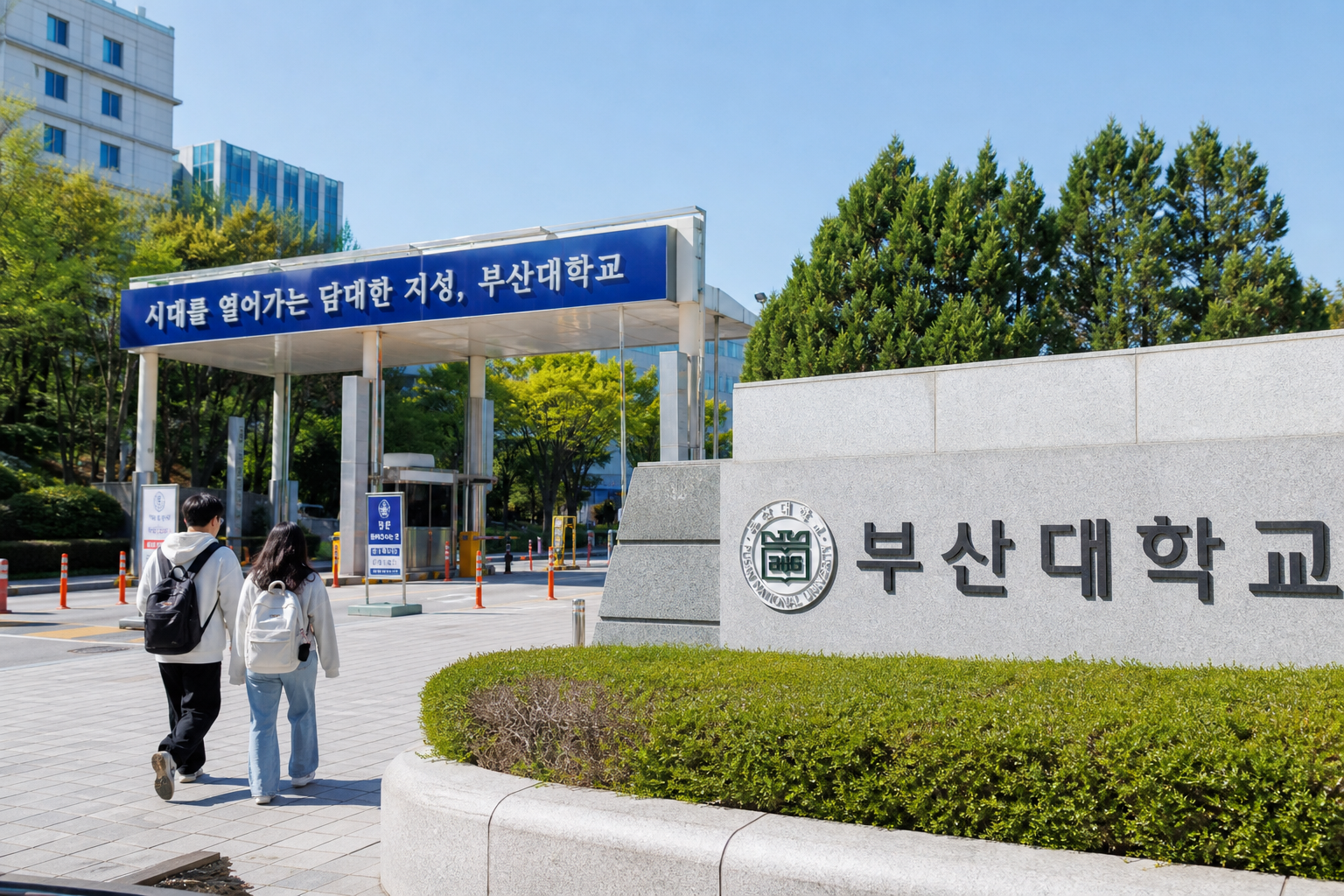
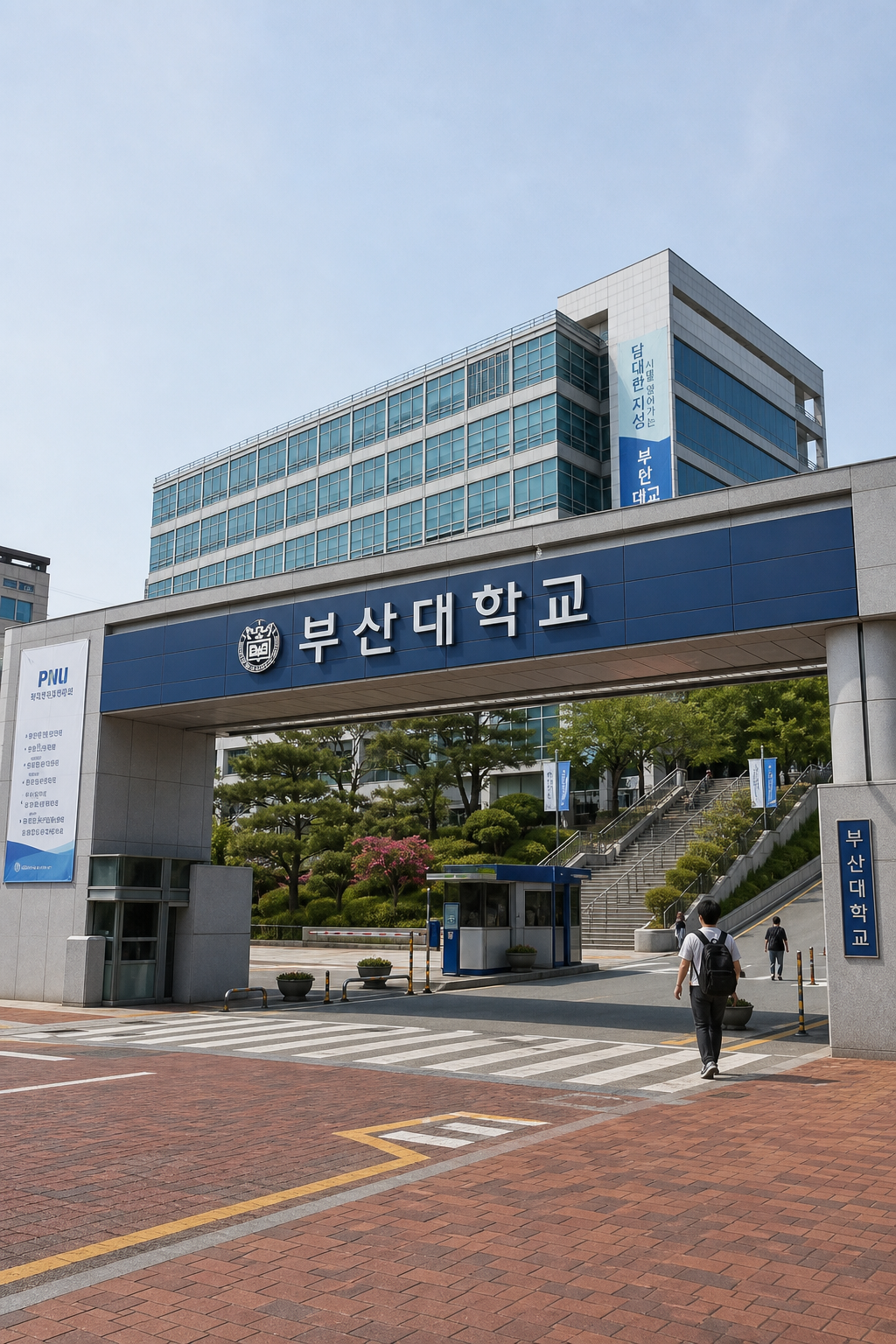
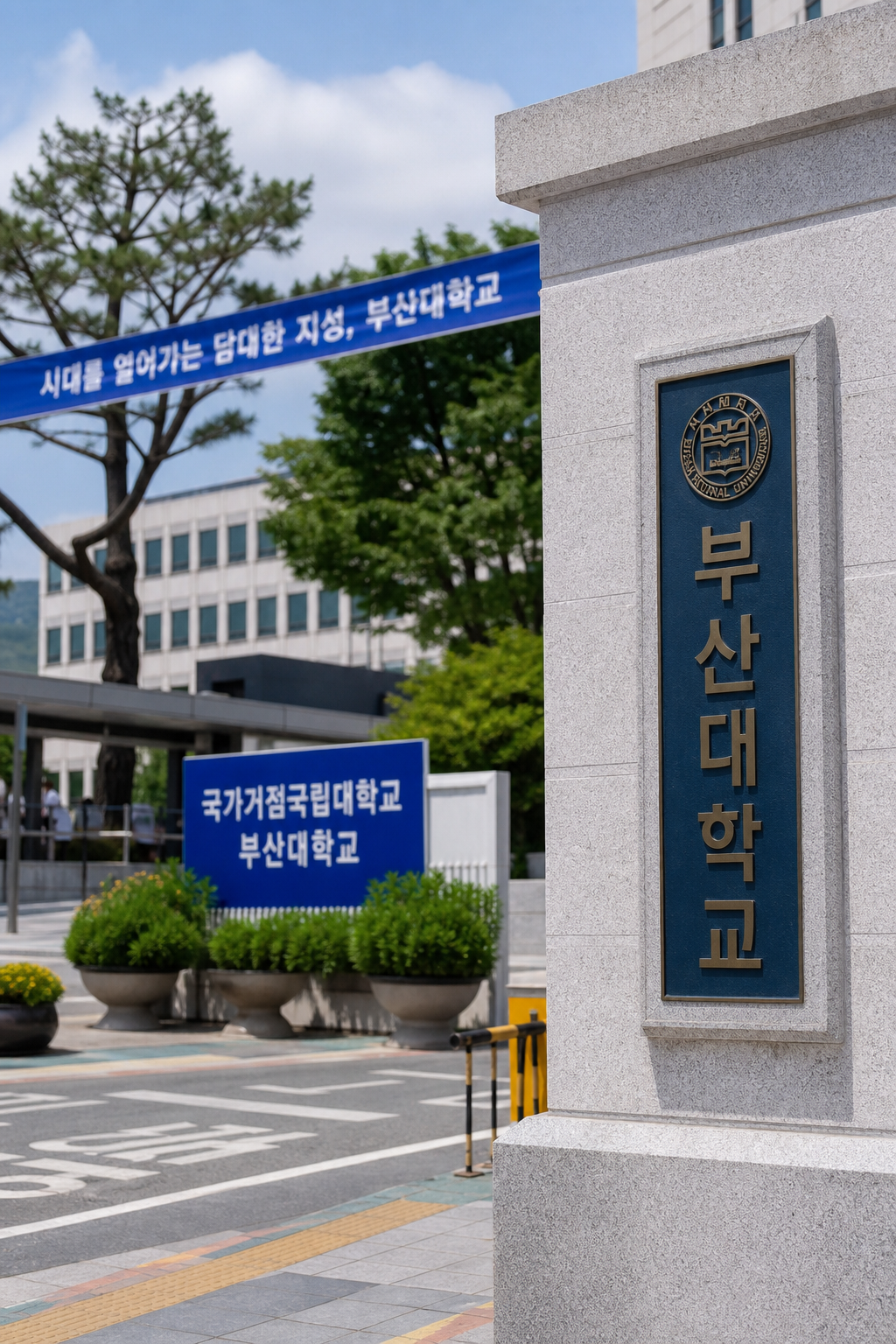
부산대학교, 전남대학교, 충남대학교가 선정되었습니다.
교육부는 9월 1일 정부서울청사에서 브리핑을 진행했습니다.
부산대학교, 전남대학교, 충남대학교가 '2026년 서울대 10개 만들기' 패키지 지원대학으로 최종 선정되었다고 밝혔습니다.
최교진 교육부 장관이 '지역 성장을 견인할 국가대표 거점 국립대 선정 결과'라는 제목으로 발표했습니다.
최종 선정은 국무총리가 주재하는 '국토공간 대전환 범정부 추진협의회'에서 확정되었습니다.
전국의 거점 국립대학은 9개이며, 이번에 3개 대학이 먼저 지원 대상이 되었습니다.
정부는 한정된 재정을 9개 대학에 균등하게 나누는 대신 3개 대학에 먼저 투입하여 성공 모델을 만들겠다는 계획을 밝혔습니다.
9개 거점 국립대 가운데 먼저 3개 대학이 선정되었습니다.
올해 각 대학에 700억원이 지원되며, 2030년까지 총 4000억원이 지원될 예정입니다.
지원 금액은 항목별로 구분되어 있습니다.
브랜드 단과대학과 융합 연구원에는 각 400억원, AI 거점 대학에는 100억원, 5극3특 공유 대학에는 약 200억원이 지원됩니다.
세 항목을 합치면 올해 각 대학에 약 700억원이 지원됩니다.
여기에 학부 교육 혁신을 위한 일반 재정 지원이 추가되어, 올해 각 대학의 지원액은 작년보다 약 1000억원 증가할 것이라고 교육부는 설명했습니다.
내년부터 2030년까지 매년 약 800억원이 추가로 지원될 예정입니다.
교육부는 내년도 관련 예산을 올해보다 100억원 늘린 800억원으로 편성했습니다.
이 계산에 따르면 2030년까지 다른 거점 국립대보다 각 대학에 약 4000억원이 더 지원될 것입니다.
심사 기준과 지역 안배에 대한 질문이 있었습니다.
교육부는 산업통상부를 포함한 8개 부처의 정부 위원과 외부 전문가로 실무위원회를 구성했습니다.
선정 기준은 네 가지로 설정되었습니다.
국토공간 대전환 프로젝트 추진 전략과의 일치성, 지역 여건 및 준비도, 대학 여건 및 준비도, 대학 전반의 교육 및 연구 혁신과 체질 개선입니다.
브리핑에서 영남, 호남, 충청권에서 각 1곳씩 선정된 것이 지역 안배인지에 대한 질문이 있었습니다.
최교진 장관은 "선정 과정에서 지역에 대한 안배는 없었다. 결과적으로 그렇게 되긴 했다"고 답변했습니다.
예산 사용처에 대해서는 "정부에서 어디에 얼마를 써야 한다고 통제하지 않겠다"며 대학의 자율성을 강조했습니다.
주제 한눈에
| 구분 | 내용 |
|---|---|
| 주제 | 서울대 10개 |
| 같이 언급된 이름들입니다. | 부산대학교, 개, 경북대학교, 서울대 10개 만들기, 대학입니다. |
| 참고한 기사 | newsis · yna · weekly · tvchosun |
세 대학이 제출한 계획입니다.
선정된 대학들은 각 지역의 전략 산업과 연계한 계획을 제시했습니다.
부산대학교는 조선, 해양, 기계 시스템, 항공 우주 등 동남권 산업을 통합하여 2028년 '혁신 제조 융합 대학'을 신설하고 LG전자, 한화 등과 계약학과를 운영할 계획입니다.
또한 2027년에는 학부 424명, 대학원 270명 규모의 인공지능 대학을 설립할 것이라고 밝혔습니다.
전남대학교는 첨단 반도체와 미래 에너지에 집중하여 2028년 첨단 융합 대학을 신설하고, 삼성전자, 한국전력 등과 공동 연구를 확대할 계획입니다.
AI 분야에서는 반도체와 에너지에 특화된 인재 4600여 명을 5년간 양성할 목표입니다.
충남대학교는 카이스트와 공동 교육 및 연구 체계를 구축하고, 네이버 클라우드와 AI 공동 연구소를 설립하며, 대덕 연구개발특구와 출연 연구기관 인프라를 활용할 예정입니다.
추가 선정은 예산 심의에서 이루어질 것입니다.
남은 6개 거점 국립대학교가 언제 합류할지는 아직 정해지지 않았습니다.
최교진 교육부 장관은 추가 지원 대학 선정 가능성에 대한 질문에 "여러 관계 부처의 의견 등을 종합적으로 고려하고 국회의 정부 예산안 심의 과정 등을 통해 추가 지원 여부나 규모가 논의될 수 있을 것 같다"고 답했습니다.
즉, 다음 분기점은 국회의 내년도 예산안 심의입니다.
집중 지원 기간은 올해부터 2030년까지 5년이며, 연도별 지원 규모는 정부 예산과 개별 사업 여건에 따라 달라질 수 있다고 교육부는 밝혔습니다.
정부는 지역 대학들이 교육 및 연구 인프라를 공유하도록 하고, 성과에 따라 재정 지원을 차등화할 계획이라고 전했습니다.
다음 분기점은 국회 예산안 심의입니다.
정부가 밝힌 목표와 남은 조건입니다.
정부가 설정한 목표는 대학 규모를 확대하는 것이 아니라 지역 주력 산업과 대학의 교육 및 연구를 통합하는 것입니다.
지역 인재가 수도권으로 떠나지 않고도 최고 수준의 교육을 받고 지역 혁신 기업과 함께 성장할 수 있도록 하겠다는 설명입니다.
교육부는 지난 4월 '성장 엔진 연계 지역 인재 양성 방안'을 발표하며, 지역 내 '진학-성장-정주'로 이어지는 선순환 구조를 만들겠다고 했습니다.
거점 국립대를 '지역 산업과 학계의 협력 플랫폼'으로 발전시키겠다는 구상도 함께 제시했습니다.
다만 계획에 담긴 단과대학 신설 시점은 2027년과 2028년이며, 인재 양성 목표도 5년 단위이므로 성과는 시간이 지나야 확인할 수 있는 부분입니다.
연도별 예산 역시 확정된 것이 아니라는 점은 교육부가 직접 밝힌 조건입니다.
The first three universities selected for the 'Creating 10 Seoul National Universities' initiative are Pusan National Un
English version of the article above.
The core of this article
- On September 1, the Ministry of Education announced Busan National University, Chonnam National University, and Chungnam National University as package support universities at the Government Seoul Building.
- This year, approximately 70 billion won will be allocated to each university, and this support is expected to continue for five years until 2030. Additional selections may be discussed during the National Assembly's budget review.
Busan National University, Chonnam National University, and Chungnam National University have been selected.
The Ministry of Education held a briefing at the Government Seoul Building on September 1.
It was announced that Busan National University, Chonnam National University, and Chungnam National University have been finally selected as package support universities for the 'Creating 10 Seoul National Universities by 2026' initiative.
Minister of Education Choi Kyo-jin announced the results under the title 'Selection Results of National Representative Base National Universities to Drive Regional Growth.'
The final selection was confirmed by the 'Government-Wide Promotion Council for National Spatial Transformation' chaired by the Prime Minister.
There are nine base national universities across the country, and three universities have been selected as the first recipients of support this time.
The government revealed plans to invest first in these three universities to create a successful model, rather than distributing limited finances equally among the nine universities.
Among the nine base national universities, the first three have been selected.
This year, 70 billion won will be allocated to each university, with a total of 400 billion won expected to be provided by 2030.
The support amount is categorized by item.
Each brand college and convergence research institute will receive 40 billion won, the AI base university will receive 10 billion won, and the shared universities for the 5 poles and 3 specialties will receive approximately 20 billion won.
Combining these three items, approximately 70 billion won will be allocated to each university this year.
In addition, general financial support for undergraduate education innovation will be added, and the Ministry of Education explained that the total support amount for each university this year will increase by about 100 billion won compared to last year.
From next year until 2030, an additional approximately 80 billion won is expected to be provided annually.
The Ministry of Education has allocated a budget of 80 billion won for next year, which is 10 billion won more than this year.
According to this calculation, each university will receive about 400 billion won more than other base national universities by 2030.
There were questions regarding the evaluation criteria and regional distribution.
The Ministry of Education formed a working committee consisting of government officials from eight ministries, including the Ministry of Trade, Industry and Energy, and external experts.
The selection criteria were set in four categories.
These include alignment with the national spatial transformation project strategy, regional conditions and readiness, university conditions and readiness, and overall educational and research innovation and reform of the university.
During the briefing, there was a question about whether selecting one university each from the Yeongnam, Honam, and Chungcheong regions was a regional distribution.
Minister Choi Kyo-jin responded, "There was no regional distribution in the selection process. It just happened to turn out that way."
Regarding the use of the budget, he emphasized the autonomy of universities by stating, "The government will not control where and how much should be spent."
Topic at a glance
| Classification | Content |
|---|---|
| Topic | Creating 10 Seoul National Universities |
| Names mentioned together. | Busan National University, Gyeongbuk National University, Creating 10 Seoul National Universities, universities. |
| Referenced articles | newsis · yna · weekly · tvchosun |
Plans submitted by the three universities.
The selected universities presented plans linked to the strategic industries of their respective regions.
Busan National University plans to establish an 'Innovative Manufacturing Convergence University' by 2028, integrating industries such as shipbuilding, marine, mechanical systems, and aerospace, and will operate contract programs with companies like LG Electronics and Hanwha.
Additionally, it announced plans to establish an artificial intelligence university with an enrollment of 424 undergraduates and 270 graduate students by 2027.
Chonnam National University plans to establish an advanced convergence university focused on cutting-edge semiconductors and future energy by 2028, and will expand joint research with companies like Samsung Electronics and Korea Electric Power Corporation.
In the field of AI, the goal is to train over 4,600 specialized talents in semiconductors and energy over the next five years.
Chungnam National University will establish a joint education and research system with KAIST, set up an AI joint research center with Naver Cloud, and utilize the infrastructure of the Daedeok Research and Development Special Zone and research institutes.
Additional selections will be made during the budget review process.
It is still undecided when the remaining six national universities will join.
Education Minister Choi Kyo-jin responded to questions about the possibility of selecting additional supported universities by saying, "It seems that the additional support and its scale could be discussed by comprehensively considering the opinions of various related ministries and through the National Assembly's review of the government budget proposal."
In other words, the next critical point is the National Assembly's review of next year's budget proposal.
The focused support period is from this year until 2030, lasting five years, and the annual support scale may vary depending on the government budget and individual project conditions, according to the Ministry of Education.
The government announced plans to encourage regional universities to share educational and research infrastructure and to differentiate financial support based on performance.
The next critical point is the National Assembly's budget review.
These are the goals and remaining conditions set by the government.
The government's goal is not to expand the size of universities, but to integrate regional key industries with the education and research of universities.
The aim is to ensure that local talents can receive top-level education without leaving their regions and grow alongside local innovative companies.
In April, the Ministry of Education announced the 'Regional Talent Development Plan Linked to Growth Engines,' stating that it aims to create a virtuous cycle from 'enrollment-growth-settlement' within the region.
It also proposed developing national universities into 'collaboration platforms for regional industries and academia.'
However, the establishment of new colleges outlined in the plan is set for 2027 and 2028, and since the talent development goals are also set in five-year increments, results will take time to materialize.
The Ministry of Education has directly stated that the annual budget is not yet finalized.
댓글
댓글 쓰기